Build Fruitful Connections and Streamline Your Hiring Process with Our Detailed Guide
As you seek to tap into the high-quality IT talent pool in the Central and Eastern Europe (CEE) region, building successful partnerships is a strategy that should not be overlooked. Such partnerships can serve as the cornerstone of a successful hiring strategy, bridging cultural and legal gaps and ensuring a smooth recruitment process. Our guide is designed to help US companies understand the importance of these partnerships and strategize their approach to make the most of the CEE IT market.
Understanding the CEE IT Market
The CEE region is becoming increasingly attractive to US companies, boasting a growing pool of highly skilled IT professionals. The educational system in these countries focuses on technical skills, making it a breeding ground for exceptional IT talent. This, combined with strong English language proficiency and the convenient time zone overlap with the US, makes the CEE IT market a sought-after destination for US companies looking to outsource or hire remotely. Understanding the nuances of this market is the first step to establishing successful partnerships and making effective hiring decisions.
The Importance of Building Local Partnerships
Building local partnerships in the CEE region is more than just a smart business move; it's a crucial step in understanding and integrating into the local business ecosystem. These partnerships can provide an inside look into the local business practices, cultural norms, legal requirements, and help navigate potential language barriers. They also pave the way for faster, more efficient hiring by connecting you directly with local talent networks. There are numerous examples of US companies that have reaped the benefits of strong partnerships with local entities, reducing hiring times, improving talent quality, and fostering positive community relations.
Strategies for Building Successful Partnerships
Identifying potential partners requires a keen understanding of your company's needs and goals. You should look for entities that share your values, have a strong local presence, and can add value to your hiring process. Once potential partners are identified, initiating contact in a respectful and culturally aware manner is key. It's important to establish mutual benefits right from the start and maintain open, honest communication to nurture the relationship. Building successful partnerships is a continuous process that requires commitment, understanding, and mutual respect.
Managing Cross-Cultural Differences
When forging international partnerships, managing cross-cultural differences is crucial. Understanding the business culture in the CEE region, which can differ significantly from the US, is key to successful communication and negotiation. This includes everything from business etiquette and decision-making processes to work-life balance and organizational hierarchies. Recognizing and respecting these differences, while remaining authentic to your company's values, can strengthen partnerships and make them more effective. It's not about changing your business practices, but about understanding and respecting those of your partners.
Leveraging Partnerships for Hiring
Partnerships can significantly streamline the hiring process in the CEE region. They can provide access to local talent networks, help navigate legal requirements, and even assist in onboarding and integration of new hires. These benefits can drastically reduce hiring times and improve the quality of your hires. Several US companies have successfully leveraged their local partnerships for hiring, demonstrating the effectiveness of this approach. These case studies serve as testament to the power of partnerships in achieving successful hiring outcomes.
Conclusion: Your Global Connections Strategy
Building successful partnerships is an essential part of your journey to hiring in the CEE region. Armed with the right knowledge and strategies, you can confidently navigate the intricacies of the local market, bridge cultural differences, and streamline your hiring process. We hope this guide provides you with a clear path to establishing fruitful relationships and effectively leveraging them for hiring.
Ready to strategize your approach to building successful partnerships in the CEE region and unlock the full potential of the local IT talent?
Enlightening Discoveries
From The Document →
Commencing January 1, 2023, the baseline pay in Poland stands at PLN 3,490.00 (€760). As this minimum wage is subject to annual revision, staying updated with the latest rates to ensure fair remuneration to your employees is paramount.
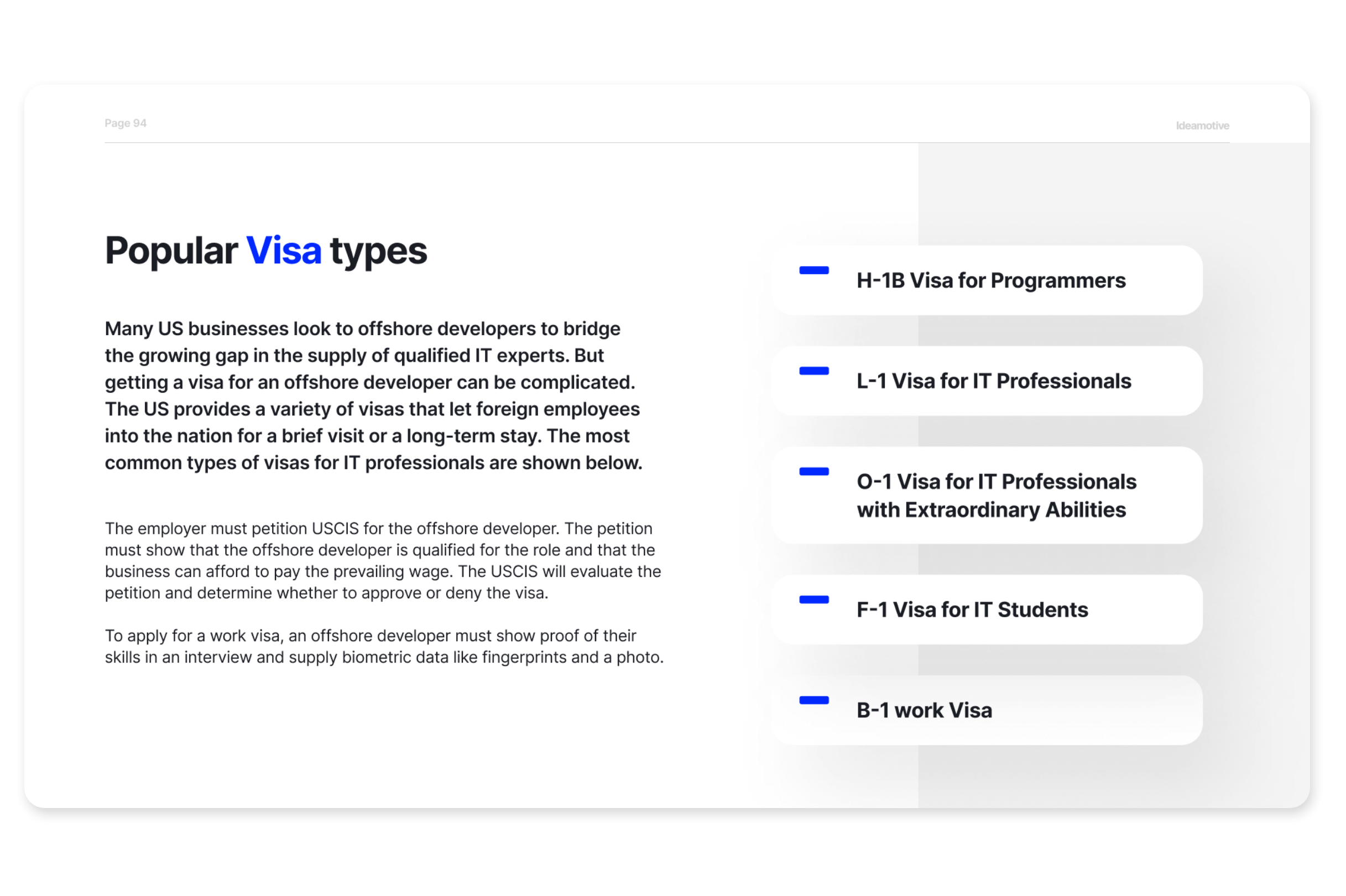
Numerous tech companies count on software developers and database engineers, both of which feature heavily in H-1B visa job roles. System administrators and computer systems analysts may be granted H-1B visas, but it's not a definite outcome.
Engaging with international contractors doesn't necessitate any reporting obligations for your US firm. However, it's still essential to ensure your contractors authenticate their foreign status by completing a Form W-8BEN or W-8BEN-E (for corporate bodies).
When your team spans various time zones, it's important to acknowledge everyone's schedule.