Understand the Legal Nuances of Recruiting IT Talent in Central and Eastern Europe
As a US company seeking to leverage the impressive IT talent in the Central and Eastern Europe (CEE) region, understanding local hiring laws is a vital part of your recruitment strategy. Navigating the legal intricacies of international hiring can seem daunting, but with the right information and guidance, you can confidently approach this process. Our guide is designed to help you gain a clear understanding of the legal landscape associated with hiring in the CEE region, setting you on a path towards successful recruitment.
Importance of Legal Knowledge in Recruitment
Understanding the local legal landscape is not just about compliance, it's about demonstrating respect for the regions where you seek to recruit. Knowledge of local hiring laws can significantly streamline your recruitment process, helping you avoid costly mistakes and potential legal complications. Non-compliance could result in financial penalties, reputational damage, and may even impact your ability to hire in certain regions in the future. Therefore, building a comprehensive understanding of the legal aspects of hiring in the CEE region should be a priority for any US company looking to hire internationally.
Overview of Hiring Laws in CEE Countries
Hiring laws can vary significantly across the CEE region. Countries such as Poland, Romania, Hungary, and others each have their own set of regulations pertaining to contracts, working hours, holidays, and benefits. Some countries may have laws protecting certain employee rights, while others may have specific regulations for different employment types. Understanding these nuances can be instrumental in ensuring a smooth and compliant recruitment process. As a US company, you should also be aware of any international treaties or agreements that may impact your hiring practices in these countries.
Understanding Visa and Work Permit Laws
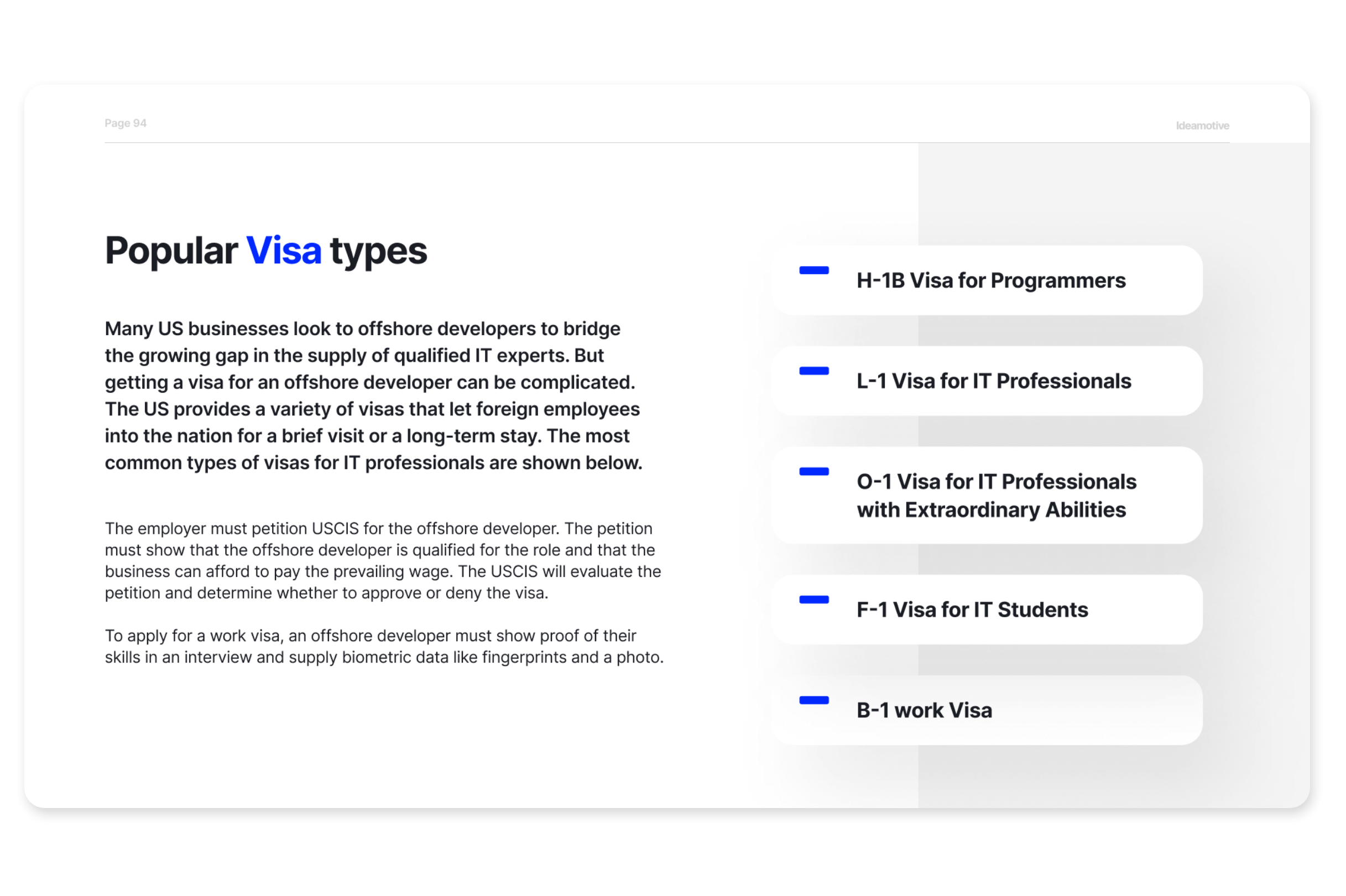
Hiring non-EU nationals requires a clear understanding of visa and work permit laws. The visa type needed can depend on various factors, such as the job role, duration of employment, and the individual's nationality. The application process for obtaining these permits can be complex and time-consuming, but with careful planning and correct documentation, it can be navigated successfully. Moreover, understanding these laws will not only help you comply with the legal requirements, but also provide support and reassurance to your potential hires during the visa acquisition process.
Complying with Tax Laws
Compliance with local tax laws is a critical part of international hiring. This includes understanding corporate tax, Value Added Tax (VAT), and social security contributions, among other things. Each CEE country has its own tax regulations that you need to adhere to when hiring. This can range from payroll tax deductions to providing certain employment benefits. Ensuring tax compliance can protect you from potential financial penalties and reinforce your company's reputation as a trustworthy and responsible employer.
Legal Aspects of Remote Work and Outsourcing
With the rise of remote work and outsourcing, it's essential to understand the legal implications of these hiring models in the CEE region. These can include data protection laws, intellectual property rights, and even specific regulations related to remote work arrangements or outsourcing contracts. As a US company, complying with these laws can help you avoid legal issues and ensure a positive and respectful working relationship with your remote or outsourced employees.
Conclusion: Navigating Your Legal Labyrinth
Understanding the legal landscape is a crucial component of your hiring strategy in the CEE region. With a solid knowledge of local hiring laws, visa requirements, tax compliance, and the legal aspects of remote work, you can navigate the recruitment process confidently and effectively. Our guide aims to be your navigational tool through this legal labyrinth, ensuring your path to successful recruitment in the CEE region is clear and compliant.
Are you ready to navigate the legal intricacies of hiring IT talent in the CEE region? Download our comprehensive e-book today for a detailed overview of hiring laws in the region.

Beneficial Observations
From The Primer →
Beginning January 1, 2023, the lowest wage in Poland is fixed at PLN 3,490.00 (€760). As this minimum pay scale is updated yearly, keeping abreast of the most recent rates to ensure fair compensation for your workforce is vital.
Several tech firms count on software developers and database specialists, both key roles in H-1B visa occupations. H-1B visas are sometimes accorded to system administrators and computer system analysts, although it's not a guarantee.
Collaborating with foreign contractors doesn't involve any reporting obligations for your US-based entity. However, it remains critical that your contractors verify their foreign status by filling out a Form W-8BEN or W-8BEN-E (for business entities).
When managing a team spread across different time zones, it's pivotal to account for everyone's timing.