May 5, 20237 min read


Sustainability has become a concern for businesses of all sizes in recent years, with climate change, resource depletion, and other environmental issues becoming vital. According to the second Business of Sustainability Index, 66 percent of consumers in the United States and 80 percent of young adults aged 18 to 34 have expressed their willingness to pay a higher price for sustainable products than their less environmentally friendly counterparts. This data suggests that sustainability is becoming an increasingly important consideration for consumers, particularly the younger generation.
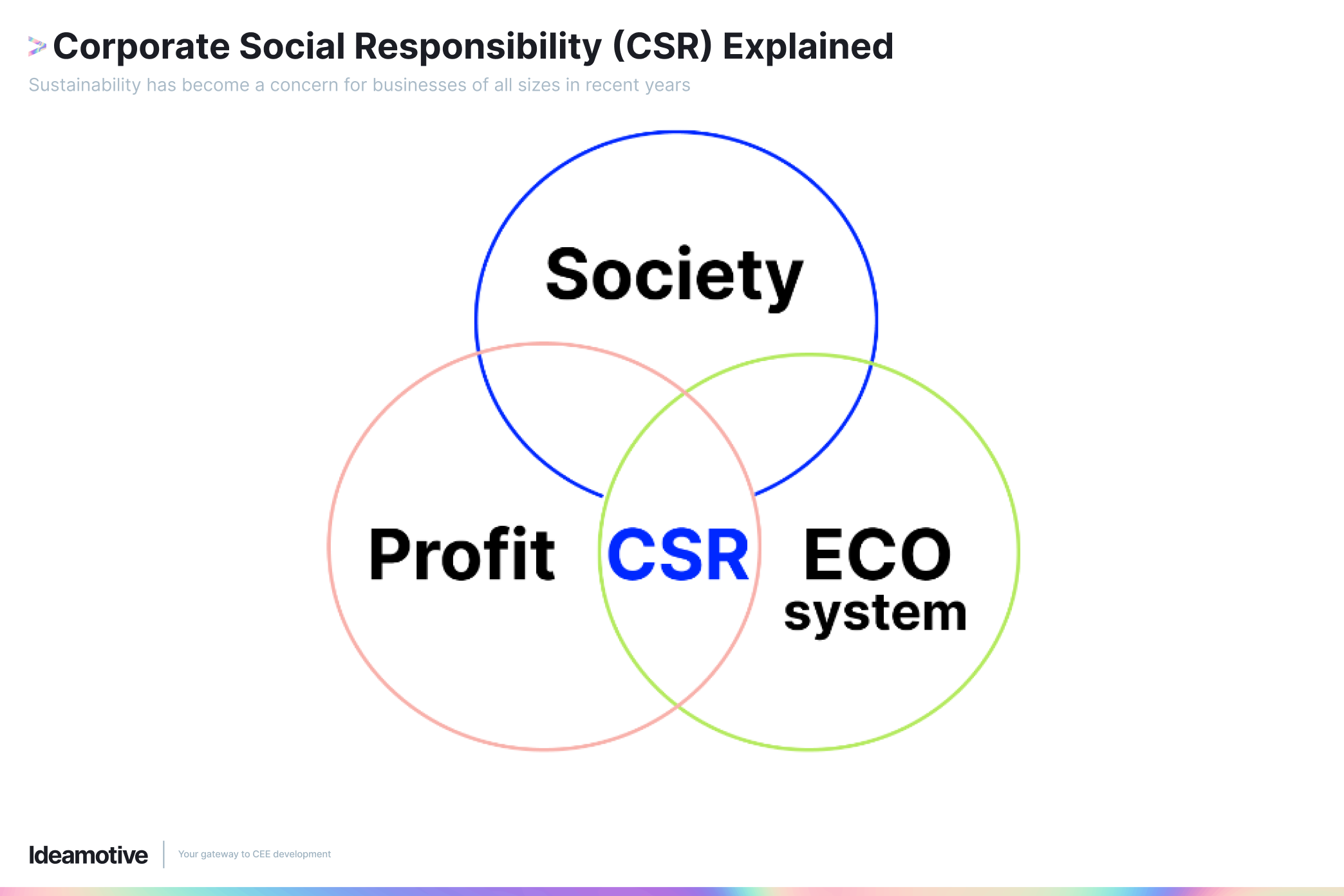
As a fact, companies are under increasing pressure to implement sustainable business practices. However, more than traditional corporate social responsibility (CSR) initiatives, which rely on voluntary actions and transparency reports, have been needed to address these issues. Fortunately, blockchain technology provides a powerful tool to support sustainable business practices. We'll explore how goals beyond CSR and blockchain support sustainable business practices, highlight some case studies of blockchain-based sustainable practices, and discuss some challenges companies face in implementing blockchain.
CSR initiatives and limitations
Traditional CSR initiatives are often seen as a form of charity or philanthropy rather than an integral part of a company's business model. As a result, they may need more resources or attention from top management, which can limit their impact.
Furthermore, CSR programs are often focused on mitigating the adverse effects of a company's activities rather than addressing the root causes of sustainability challenges.
CSR initiatives have been the go-to approach for many businesses to address sustainability concerns. Though, there are some limitations:
- They are voluntary and often lack enforcement mechanisms.
- They rely on self-reporting and transparency, which can be subject to manipulation and greenwashing.
- They tend to focus on specific issues or projects rather than addressing sustainability more broadly.
How can blockchain be used to support sustainable business practices?
Blockchain technology has emerged as a promising tool that supports sustainable business practices in various ways. As a decentralized digital ledger, it records transactions securely and transparently. The technology is about smart contracts and self-executing agreements that can automate specific business processes, reduce administrative costs, increase efficiency, and reduce environmental impact.
So, the technology supports sustainable business practices:
- Ensuring traceability and transparency in supply chains: Blockchain can create a digital record of every transaction in the supply chain. It is essential for industries that rely on complex supply chains, such as the fashion, food, electronics, automotive, and pharmaceutical industries. This can help companies to declare among customers that they reduce waste or show that their products are made with sustainability in mind;
- Tracking the use of natural resources and reducing environmental impact: By using technology, companies can create a digital record of every transaction in the supply chain, from raw materials to finished products. As a result, it can help companies identify inefficiencies and reduce waste. It can also create a digital ledger of natural resources like water and energy and track their use in real-time. So this helps companies reduce their environmental impact and ensure they sustainably use resources;
- Enabling real-time monitoring and reporting of sustainability metrics: Blockchain technology can provide real-time monitoring and reporting of sustainability metrics, such as carbon emissions and waste reduction. This can help companies identify improvement areas and measure their sustainability initiatives' impact.
- Creating and managing decentralized renewable energy systems: Blockchain technology can create peer-to-peer energy trading platforms where consumers can buy and sell excess renewable energy from their solar panels or wind turbines. This can reduce reliance on fossil fuels and promote the adoption of renewable energy sources.
- Enhancing social impact: Blockchain technology can create digital identities for individuals in developing countries, which can help them access basic services such as healthcare and banking. This can improve social impact and promote sustainable development.
Overall, blockchain technology has the potential to support and achieve long-term sustainability goals.
Case studies of blockchain-based sustainable business practices
Blockchain technology has already been implemented in several case studies of sustainable business practices, such as:
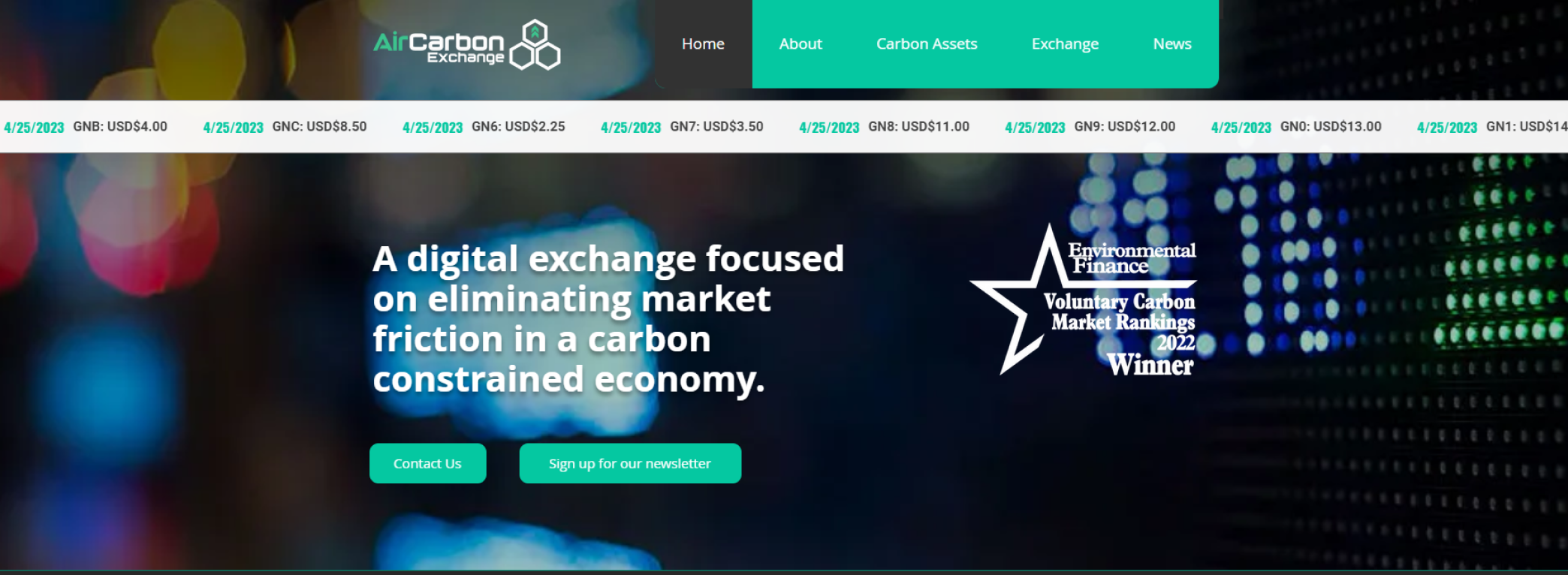
- Blockchain-powered carbon credits for emissions reduction: AirCarbon, a Singapore-based start-up founded in 2019, has developed a blockchain-based platform that allows companies to buy and sell carbon credits. Using blockchain technology, AirCarbon ensures that the credits are authentic and the emissions reductions are properly verified. This enables companies to reduce their carbon footprint and contribute to the fight against climate change.
- Sustainable seafood supply chains using blockchain-based traceability: Bumble Bee Foods, a US-based seafood company founded in 1899, has partnered with blockchain start-up SAP to create a sustainable seafood supply chain using blockchain technology. The system enables consumers to trace the journey of their seafood from the ocean to the dinner table and ensures that the seafood is produced ethically and sustainably.

- Peer-to-peer energy trading using blockchain technology: LO3 Energy, a US-based start-up founded in 2012, has developed a blockchain-based platform that enables peer-to-peer energy trading. The system allows consumers to buy and sell excess renewable energy from their solar panels and wind turbines, which helps reduce reliance on fossil fuels and promotes the adoption of renewable energy sources.

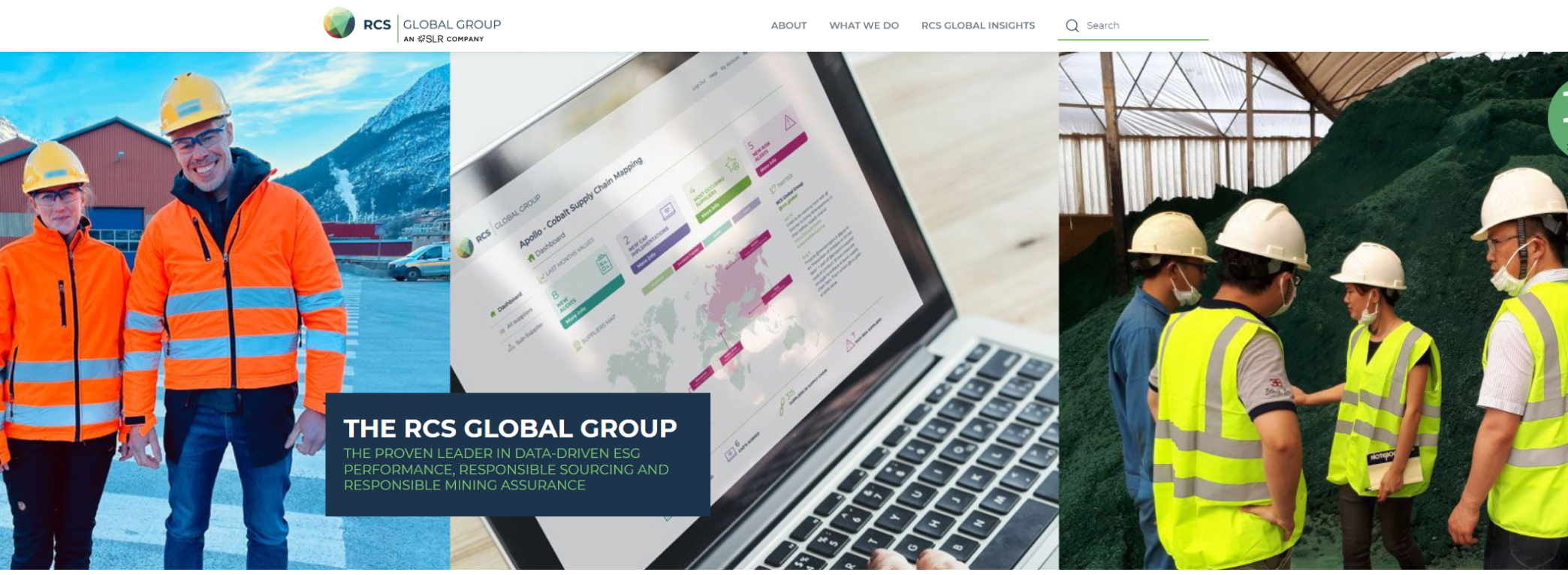
- The sustainable supply chain for cobalt mining: RCS Global, a blockchain Indian start-up founded in 1992, has developed a blockchain-based system that enables companies to track cobalt's journey, a key component of batteries used in electric vehicles. The system ensures that the cobalt is produced sustainably and helps companies meet their sustainability goals.
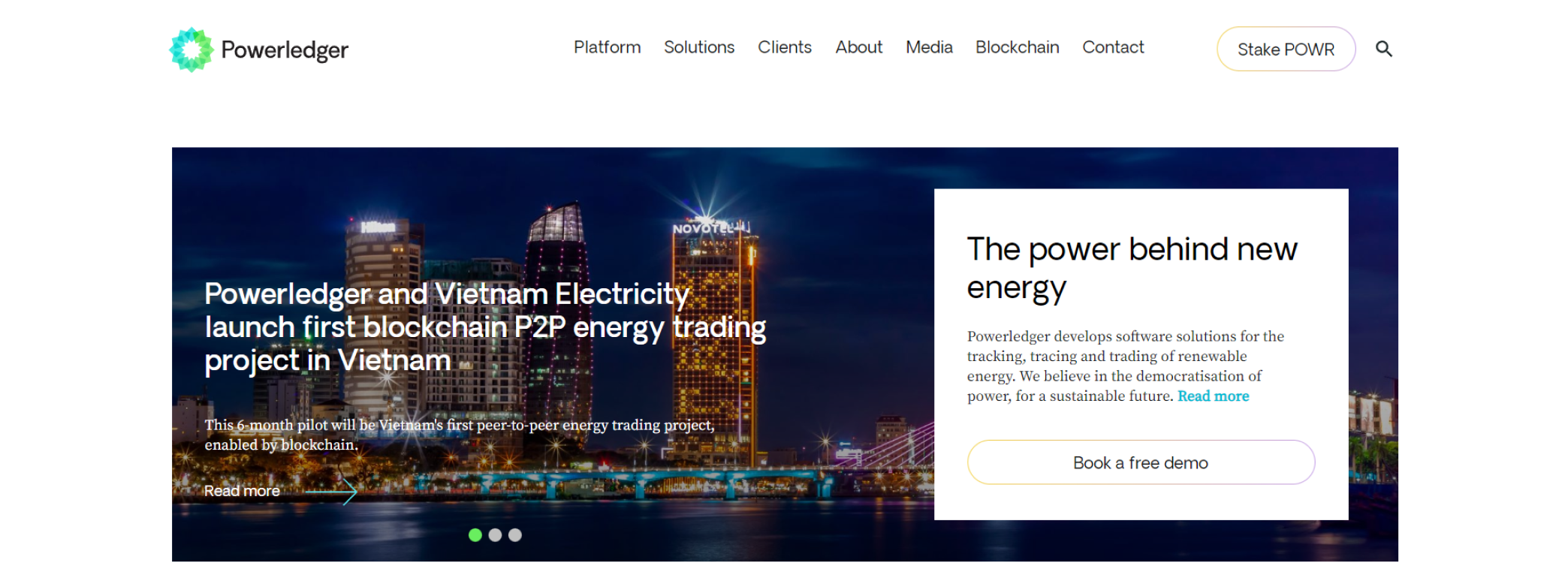
- Blockchain-based platform for renewable energy certificates: Power Ledger, an Australian start-up founded in 2016, has developed a platform that enables trading renewable energy certificates. The system ensures the certificates are authentic and the renewable energy sources are correctly verified.
- Sustainable diamond supply chain using blockchain technology: De Beers, a British diamond mining company, has partnered with blockchain start-up Everledger to create a system that tracks the journey of diamonds from the mine to the consumer. It was founded in 2001. The system helps reduce the risk of conflict diamonds entering the market.

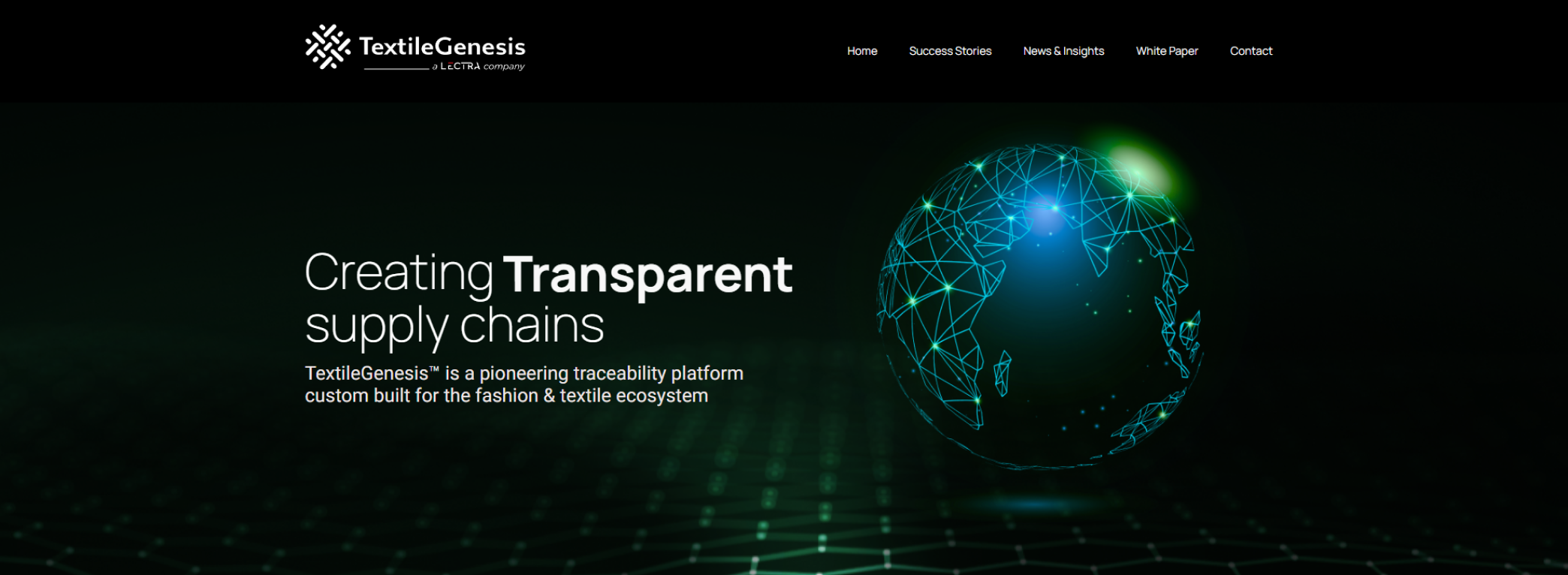
- A blockchain-based platform for sustainable cotton: TextileGenesis, a Hong-Kong blockchain start-up founded in 2018, has developed a platform that enables companies to trace the journey of cotton from farm to finished product. The Textile Genesis platform has been designed to make traceable and transparent every supply chain step, from the raw material to the finished product. It provides complete transparency and visibility, enabling brands and retailers to make informed decisions about the sustainability of their products.
- EY has partnered with blockchain start-up VeChain to create a system that tracks the journey of wine from vineyard to bottle, promoting sustainable practices in the wine industry.
- IBM has partnered with companies like Walmart and Nestle to create a blockchain-based system that tracks food journeys from farm to table, promoting transparency and sustainability in the agriculture industry.
- Loomia, a New York platform founded in 2014, has developed a platform that enables companies to track the journey of clothing from design to disposal, promoting sustainable practices in the fashion industry.

These case studies demonstrate the potential benefits of blockchain technology in supporting sustainable business practices, including increased transparency, efficiency, and traceability in various industries.
Overcoming Challenges to Implementing Blockchain for Sustainable Business Practices
Sustainability has become an essential concern for businesses of all sizes and industries. However, while many companies have embraced corporate social responsibility (CSR) programs to reduce their environmental impact, they often need to be more comprehensive to address sustainability challenges.
The business world is looking towards technology for a more sustainable future. Blockchain is a distributed ledger technology that offers several benefits for sustainable business practices.
Imagine a world where you have technology that encodes contracts in digital code and stores them in transparent databases secured from tampering, deletion, and revision. It's one of the primary functions of blockchain, which has numerous applications in healthcare, media, e-commerce, supply chain, transport, logistics, voting, retail, and education. The technology solves the issue of trust in a multi-disciplinary network and ensures that all transactions are connected with a suitable entity while also providing data security.
Furthermore, a decentralized network eliminates the need for a central entity to handle all information. It helps companies track their supply chains, reduce carbon emissions, and promote ethical practices. Despite its enormous potential, there are challenges to implementing blockchain for sustainable business practices.
Integration with Legacy Systems
One of the main challenges of implementing blockchain for sustainable business practices is integrating it with legacy systems. Many companies have already invested in systems that do not support blockchain, making it challenging to adopt the technology. Furthermore, those systems often require significant changes to existing processes, which can disrupt business operations.
Companies should consider developing a phased approach to blockchain integration to overcome this challenge. They should start by identifying the areas of their business that could benefit most from blockchain technology, such as supply chain management. Once these areas have been identified, companies should gradually introduce blockchain into their existing systems, starting with small pilot projects.
Ensuring Data Privacy and Security
Blockchain systems are designed to be immutable, meaning that once data appears on the blockchain, it cannot be altered. However, this also means that any sensitive data entered into the blockchain could be visible to anyone accessing the network.
Companies should implement robust data privacy and security measures when implementing blockchain to address this challenge. It includes using encryption techniques to protect sensitive data and restricting access to the blockchain to authorized personnel only. Companies should also consider how to control who can access the network.
Achieving Regulatory Compliance
Finally, achieving regulatory compliance is another challenge. For example, many countries have strict data privacy regulations, making it difficult for companies to implement blockchain technology. Furthermore, more clarity around how blockchain fits into existing regulatory frameworks is often needed.
To overcome this challenge, companies should work closely with regulators and industry associations to comply with all relevant regulations. They should also invest in legal advice to understand the legal implications of blockchain adoption. By taking a proactive approach to regulatory compliance, companies can ensure that they can reap the benefits of blockchain technology without running afoul of the law.
Summary
Blockchain technology solves the problem of how blockchain can be used to support sustainable business practices. By leveraging blockchain, companies can track their supply chains, reduce carbon emissions, and promote ethical practices. However, several challenges must be overcome to implement blockchain successfully. These include integrating blockchain with legacy systems, ensuring data privacy and security, and achieving regulatory compliance.
Despite these challenges, the benefits of implementing technology for sustainable business practices outweigh the risks. Therefore, we encourage businesses to explore blockchain technology to promote sustainability and develop strategies to overcome implementation challenges. By doing so, companies can become leaders in sustainable practices and contribute to a more sustainable future.
Blockchain technology is still in its early stages, but it can potentially revolutionize many industries, including environmental sustainability-related ones. One of the key benefits of it is its ability to provide transparency and accountability, which can help address issues related to "greenwashing," or when companies falsely claim to be environmentally friendly.
With blockchain, companies can provide verifiable proof of their sustainability efforts, such as their carbon footprint, the sources of their materials, and their energy consumption. Furthermore, this information can be securely recorded on the blockchain, making it immutable and tamper-proof. As a result, it can help consumers and investors decide which products and services they use and want to support.
In addition, blockchain can facilitate the development of decentralized, peer-to-peer energy markets, enabling renewable energy producers to sell their excess energy to consumers directly, without intermediaries. It helps reduce reliance on traditional energy sources and promotes the adoption of renewable energy.
While blockchain technology alone cannot solve the complex issue of climate change, it can potentially significantly promote sustainability and accountability across various industries. Therefore, companies need to explore and harness the potential of blockchain technology. It can help fight against climate change.
Cezary is a tech enthusiast and musician, passionate about the future of blockchain and AI in software, marketing, and sales. He opposes traditional corporate approaches and explores futurology in his private life.
View all author posts
Trending articles
21 Dazzling Examples of Mobile App UI Design to Inspire You in 2023
Michał Pruciak 7 min read
MedTech vs HealthTech vs BioTech: What Are The Differences?
Michał Pruciak 7 min read
10 Business Applications of Neural Network (With Examples!)
Michał Pruciak 4 min read
10 Irresistible Examples of Web Design Best Practices for 2023
Adam Kozłowski 7 min read
28 Amazing Examples Of PHP Web Development
Dawid Karczewski 14 min read

Read more featured publications and articles




Looking for a specific type of business support service?
Looking for IT project managers to join your team?
There are dozens of vetted IT project managers in our talent network.